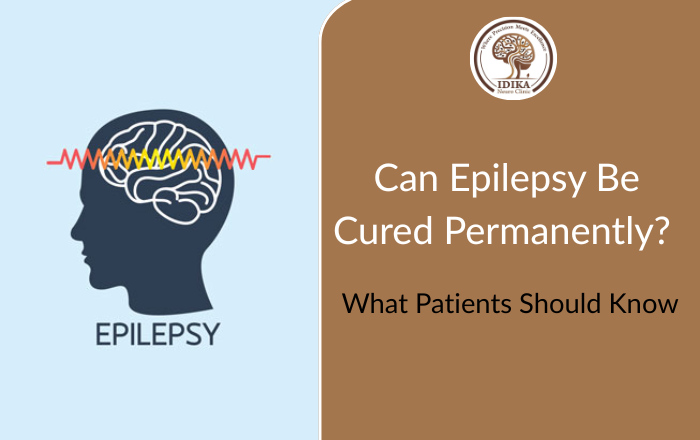
Imagine living every day wondering when the next seizure might happen while driving, at work, or simply cooking dinner. For the millions of people living with epilepsy, this is a very real fear. If you or someone you love has been diagnosed with epilepsy, one of the first questions that comes to mind is: can epilepsy be cured permanently? It’s a fair question, and you deserve an honest, clear answer. The good news is that seizure freedom is not just a dream for many patients, it’s absolutely achievable.
What Does “Cured” Actually Mean in Epilepsy?
Before anything else, it helps to understand what doctors mean when they talk about a “cure.” In epilepsy, there’s an important difference between being cured and being seizure-free.
A cure means the condition is completely gone no disease, no treatment needed. Seizure freedom, on the other hand, means no seizures occur, sometimes with the help of ongoing medication. For many patients, becoming seizure-free for two or more years is considered a major milestone one that can allow them to drive, work freely, and live without constant worry.
Here’s something reassuring that many people don’t know: some types of epilepsy, particularly those that begin in childhood, can actually resolve on their own as a child grows older. Conditions like childhood absence epilepsy often disappear by the teenage years. So no, epilepsy is not always a lifelong sentence.
What Are the Real Chances of Getting Better?
The numbers are more hopeful than most people expect:
- Approximately 60–70% of people with epilepsy can become completely seizure-free with the right medication. (Epilepsy Foundation)
- About 30% of patients have drug-resistant epilepsy, meaning seizures continue despite trying multiple medications.
Even within that 30%, there are strong treatment options available. The key is getting the right evaluation from the right specialist.
Factors that influence whether epilepsy can be controlled — or even resolved — include the type of epilepsy syndrome, when it began, and what’s causing it. An accurate diagnosis is the foundation of effective treatment.
5 Treatment Paths That Can Lead to a Seizure-Free Life
1. Anti-Seizure Medications
Medications are the first step in epilepsy treatment. They don’t cure epilepsy, but they control seizures effectively in the majority of patients. The challenge is that no single medication works for everyone — finding the right one takes time, patience, and a knowledgeable neurologist guiding the process.
2. Epilepsy Surgery — The Closest Thing to a Permanent Cure
For patients who qualify, surgery offers the highest chance of long-term seizure freedom. Studies show that epilepsy surgery can make up to 70% of eligible patients seizure-free. Surgery involves removing or disconnecting the part of the brain responsible for seizures. It’s not suitable for everyone, but every drug-resistant patient deserves to be evaluated for it.
3. The Ketogenic Diet
This high-fat, low-carbohydrate diet has solid medical evidence behind it, especially for children. It won’t cure epilepsy permanently, but it significantly reduces seizure frequency in many patients sometimes dramatically. It must always be followed under medical supervision.
4. Neuromodulation Therapies
Think of these as a pacemaker for the brain. Devices like Vagus Nerve Stimulators (VNS) or Responsive Neurostimulation (RNS) send gentle electrical signals to reduce seizure activity. These are especially helpful for patients who aren’t candidates for surgery.
5. Emerging Research and New Medications
Epilepsy research is moving fast. New anti-seizure drugs, gene therapy studies, and clinical trials are opening doors that didn’t exist a decade ago. Staying connected with a specialist means you won’t miss these opportunities.
Drug-Resistant Epilepsy: You Still Have Options
If two or more medications haven’t worked, you may have drug-resistant epilepsy but this does not mean there’s nothing left to try. Unfortunately, many patients in this situation haven’t been fully evaluated for surgery or device-based therapies. Getting a second opinion from an epilepsy specialist can genuinely change the course of your treatment.
Daily Habits That Make a Real Difference
Alongside medical treatment, small daily choices matter:
- Sleep at consistent times every night
- Manage stress actively
- Take medications exactly as prescribed
- Avoid known seizure triggers like alcohol or flashing lights
- Keep regular follow-up appointments with your neurologist
Also worth noting anxiety and depression are 2–3 times more common in people with epilepsy. Caring for your mental health is just as important as managing seizures.
Frequently Asked Questions
Q1. Can epilepsy be cured permanently?
Some types especially in children do resolve completely. For others, long-term seizure freedom through medication or surgery is a realistic goal.
Q2. What is drug-resistant epilepsy?
When seizures continue after trying two or more appropriate medications, it’s called drug-resistant epilepsy. It affects roughly 30% of patients and needs specialist evaluation.
Q3. Can people with epilepsy live normal lives?
Absolutely. With the right treatment and lifestyle adjustments, many people with epilepsy drive, work, travel, and live fully normal lives.
Take the Next Step Toward Seizure Freedom
You don’t have to figure this out alone. Whether you’re newly diagnosed or struggling with uncontrolled seizures, speaking with a dedicated epilepsy specialist can open doors you didn’t know existed.
Idika Neuro Clinic, led by Dr. Shruti Agrawal — Neurologist for Epilepsy Treatment in Andheri West — offers focused, caring neurology consultations for patients dealing with epilepsy and seizure disorders. Dr. Agrawal takes the time to truly understand each patient’s situation and work toward the best possible outcome.
Name – Idika Neuro Clinic
Address: Alpine Primo, B-7, JP Rd, opposite Navrang Cinema, Fish Market Area, Navneeth Colony, Andheri West, Mumbai, Maharashtra 400058
Phone Number – 72082 80587
Book your consultation today — because a seizure-free life may be closer than you think.
Have questions? We’re just a message away! Contact us on WhatsApp — Click Here to Chat with Us