If you or someone you love has already survived a stroke, you already know how frightening that experience is. But here’s something many people don’t talk about enough the risk of a second stroke is very real. In fact, 1 in 4 stroke survivors will have another stroke within 5 years. The good news? With the right awareness and medical support, stroke recurrence can largely be prevented. This article walks you through the warning signs of a second stroke, why they happen, and what you can do to protect yourself starting today.
Why Is a Second Stroke More Dangerous Than the First?
When a stroke happens once, the brain already carries some damage. A second stroke hits an already weakened brain, which is why recovery tends to be harder and the effects more lasting.
What makes this even more urgent is the timing. The risk of stroke recurrence is highest in the first 90 days after the first stroke. Some people experience another stroke within just days or weeks. This is not meant to scare you — it’s meant to prepare you.
7 Critical Warning Signs of a Second Stroke You Should Never Ignore
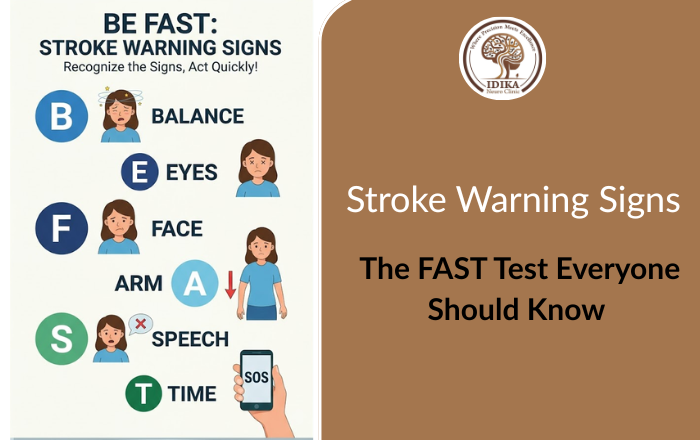
Recognising these signs early can save a life. Use the FAST test as your guide:
- F – Face drooping on one side, or an uneven smile
- A – Arm weakness, especially on one side of the body
- S – Speech problems — slurred words, confusion, or inability to speak
- T – Time to call emergency services immediately
Beyond FAST, also watch out for:
- Sudden severe headache with no clear reason — often described as “the worst headache of my life”
- Vision changes in one or both eyes — blurred, doubled, or lost vision
- Loss of balance or dizziness — sudden trouble walking or standing
Many survivors make the mistake of thinking these signs will pass. They might feel mild or brief. Never wait to see if it gets better. Call for help immediately.
TIA: The “Mini Stroke” That Is Actually a Major Warning
A Transient Ischemic Attack (TIA), often called a mini stroke, causes the same symptoms as a full stroke but they disappear within minutes or hours. Because of this, people often ignore it.
That is a dangerous mistake.
A TIA is your brain sending a distress signal. People who have a TIA are 3 to 4 times more likely to have a full stroke within 2 days. If you or someone around you shows stroke symptoms even briefly see a neurologist that same day. Do not wait for an appointment next week.
The Top Risk Factors for Stroke Recurrence
Understanding what puts you at risk is the first step toward preventing another stroke. The most common risk factors for a second stroke include:
- High blood pressure — the single biggest risk factor. Even slightly elevated BP over time causes serious damage to blood vessels in the brain.
- Atrial fibrillation (AFib) — an irregular heartbeat that can send blood clots to the brain
- Diabetes — high blood sugar damages vessel walls over time
- High cholesterol — leads to plaque buildup in arteries
- Smoking and heavy alcohol use — both directly damage blood vessels
- Physical inactivity and obesity — increase blood pressure and cholesterol
If you have more than one of these, your risk multiplies. This is why regular follow-up with a neurologist matters so much.
6 Practical Ways to Prevent a Second Stroke
Here’s what actually works:
- Take your medications without fail. Blood thinners, blood pressure pills, and cholesterol medications are prescribed for a reason. Skipping doses — even once in a while — increases your risk significantly.
- Check your blood pressure at home. Aim to keep it below 130/80 mmHg. Invest in a basic BP monitor.
- Eat a brain-friendly diet. Cut down on salt, fried foods, and sugar. Add more vegetables, fruits, whole grains, and healthy fats like those found in fish and nuts.
- Move your body regularly. Even 20–30 minutes of walking daily improves circulation and reduces stroke risk. Always check with your doctor before starting any new exercise routine.
- Quit smoking. This is the single most impactful lifestyle change you can make. Within weeks of quitting, blood pressure and circulation begin to improve.
- Manage stress and sleep well. Poor sleep raises blood pressure. Chronic stress affects heart health. Both matter more than most people realise.
Don’t Wait for Another Stroke — See a Neurologist
If you’ve had a stroke or TIA, the most important thing you can do is stay under regular neurological care. Stroke recurrence prevention is not a one-time effort — it’s ongoing.
At Idika Neuro Care Clinic in Andheri West, Dr. Shruti Agrawal, a neurologist with deep experience in stroke treatment and prevention, helps survivors understand their risk, review their medications, and build a clear plan to stay safe. Whether you need a post-stroke evaluation or long-term brain health support, the team at Idika Neuro Care is ready to help.
Book a consultation with Dr. Shruti Agrawal today — because protecting your brain can’t wait.
FAQs About Second Stroke Warning Signs and Prevention
Q1. How soon can a second stroke happen after the first?
It can happen within days. The first 90 days carry the highest risk, which is why early follow-up care is so important.
Q2. Are the signs of a second stroke the same as the first?
Usually yes the FAST signs still apply. But some people notice subtler changes. Never dismiss any new neurological symptom.
Q3. Can a second stroke be fully prevented?
Not guaranteed, but with the right medications, lifestyle changes, and regular check-ups, the risk can be brought down significantly.
Q4. Is a second stroke always worse? Not always, but because the brain is already damaged, recovery is often harder. Acting fast matters even more the second time.